Guides · Photography · last checked 4 October 2026
16 best photography spots in the Andaman Islands
From Radhanagar's crowded-for-a-reason sunset to Sitapur's tide pools at dawn, the Andamans reward anyone who plans their days around the light. Here are the spots worth planning around — sunset, sunrise, underwater and the unusual ones — with which way each beach faces and the times that matter.
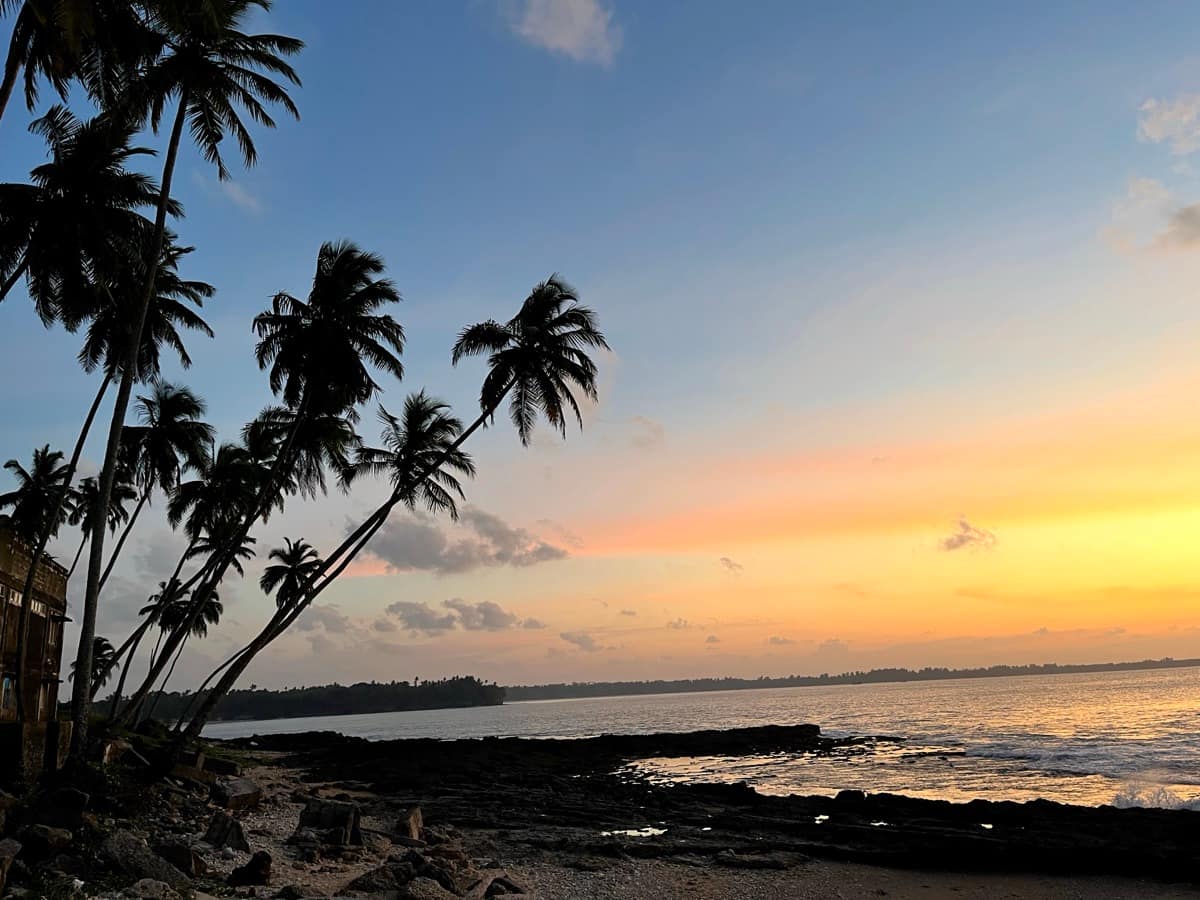
When the light happens
The islands keep Indian Standard Time but sit far to the east of the mainland, so both ends of the day come early: sunrise between about 4:54 and 5:43 AM, sunset between about 4:50 and 5:47 PM. Be in position 45 minutes before either.
| Month (15th) | Sunrise | Sunset |
|---|---|---|
| January | 5:43 AM | 5:12 PM |
| February | 5:40 AM | 5:25 PM |
| March | 5:26 AM | 5:29 PM |
| April | 5:07 AM | 5:30 PM |
| May | 4:54 AM | 5:35 PM |
| June | 4:54 AM | 5:43 PM |
| July | 5:01 AM | 5:47 PM |
| August | 5:07 AM | 5:38 PM |
| September | 5:08 AM | 5:19 PM |
| October | 5:08 AM | 5:00 PM |
| November | 5:15 AM | 4:50 PM |
| December | 5:30 AM | 4:56 PM |
US Naval Observatory data for Radhanagar Beach, Havelock (11.98°N, 92.95°E), on the 15th of each month of 2026, in Indian Standard Time. The same dates in 2027 are within a minute, and Kalapathar, Neil Island and the Port Blair beaches are within two minutes. Between these dates the times move by up to about a minute a day, and hills, trees and cloud on the horizon change when you actually see the sun rise or set.
Sunset spots
Three shores that face the sunset.
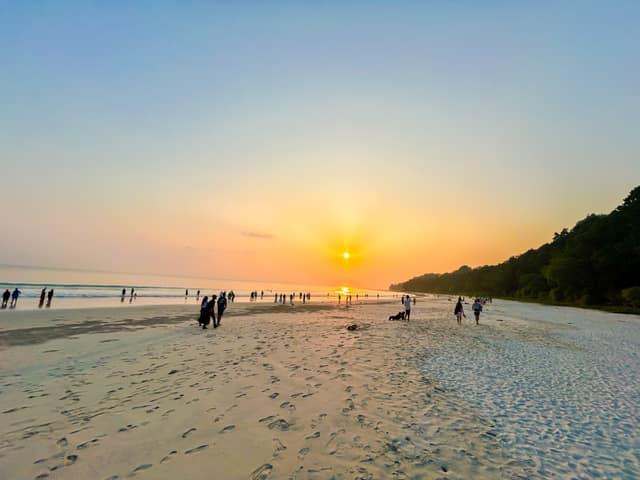
Radhanagar Beach
Havelock Island · The hour before sunset
The sunset most Havelock days are planned around. The bay opens to the south-south-west, so the sun drops off to your right as you face the sea, with palm and beachgoer silhouettes doing the composition work for you.
Tip: The tourism portal recommends the northern end for the view. The beach is open only until sunset, and drones need an official permit here.
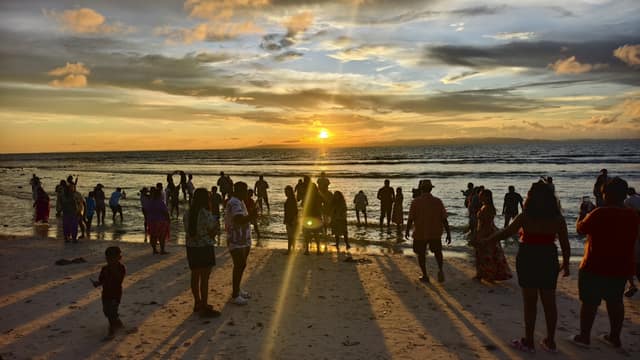
Laxmanpur Beach 1
Neil Island · The hour before sunset
Neil's sunset beach: the shore faces north-north-west.
Tip: The Natural Bridge is at Laxmanpur Beach 2, a separate stop — shoot that at low tide, not at sunset.
Chidiya Tapu
South Andaman, about 25 km from Port Blair · Arrive an hour before sunset
The best-known sunset point on the Port Blair side: a shore that faces south-west, at the southern tip of South Andaman, with forest, rocky shoreline and open sea in one scene.
Tip: The Munda Pahad trail gives elevated frames — start early enough to be back down before dark.
Sunrise and morning spots
The east-facing shores: they look towards the sunrise, and the sunset is on the landward side.
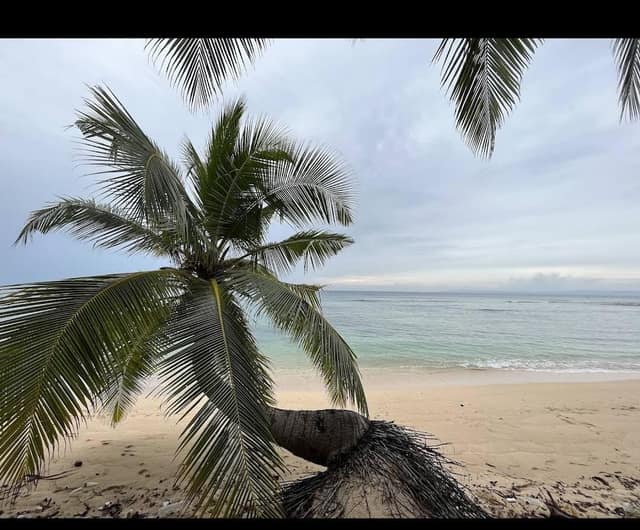
Kalapathar Beach
Havelock Island · Sunrise to mid-morning
Black rocks against turquoise water and white sand, on a shore that faces east-north-east, towards the sunrise. This is not a sunset beach.
Tip: Get low: the rock textures carry the frame from a low angle.
Vijaynagar Beach
Havelock Island · Sunrise
A long east-facing stretch of white sand in first light — minimalist and quiet.
Tip: Be early: a single line of footprints is the composition.
Sitapur Beach
Neil Island · Sunrise
Neil's sunrise beach: a shore that faces south-east, with rock formations and tide pools that mirror the sky.
Tip: Work the rock-pool reflections in the minutes either side of sunrise.
Marina Park waterfront
Port Blair · Sunrise
The town's east-facing seafront, looking across the harbour towards Ross Island; Flag Point is on the same promenade.
Tip: A longer focal length pulls Ross Island into the frame.
Corbyn's Cove
Port Blair · Morning
A palm-fringed cove that faces east-south-east — the leaning coconut palms are ready-made frames, with the morning light coming from the seaward side.
Tip: Come in the morning. The sun sets on the landward side, so there is no sunset over the sea here.
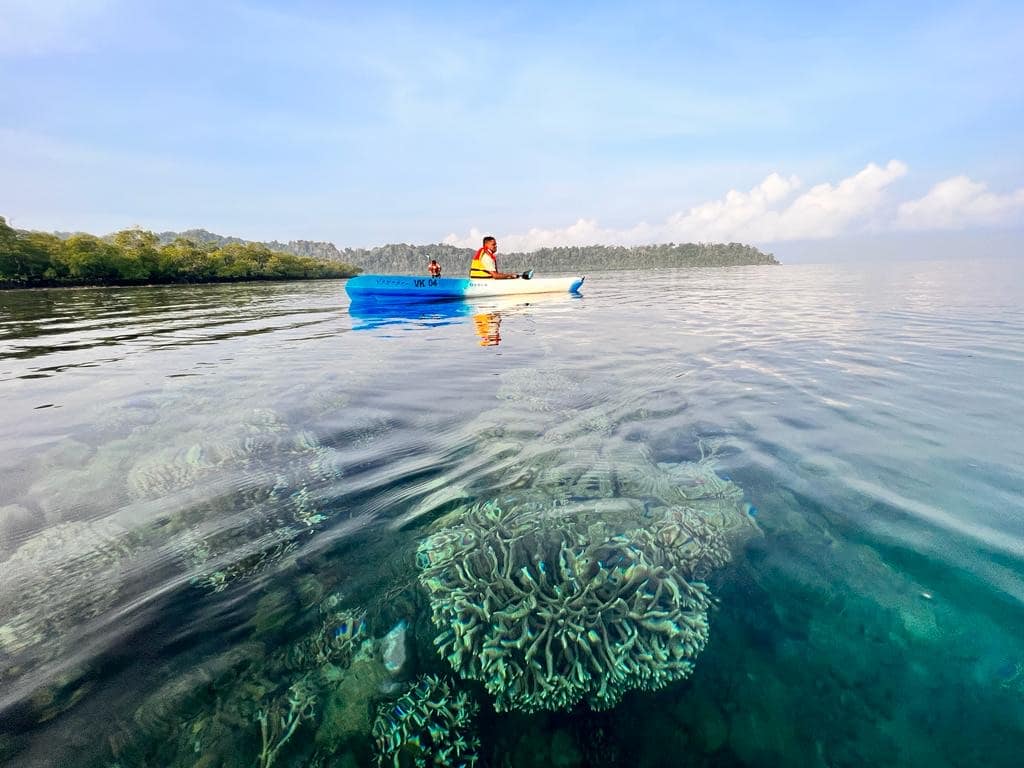
Underwater spots
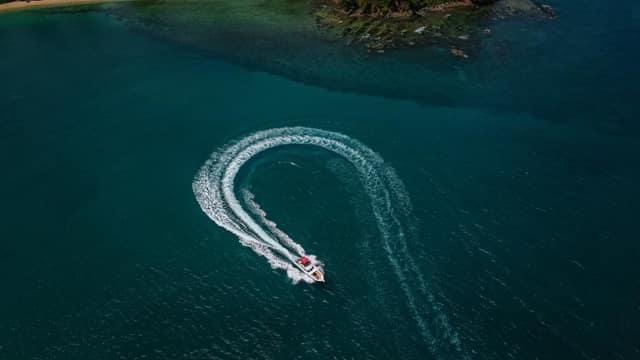
Elephant Beach, Havelock
Action cameras · shallow reef
A shallow reef with plenty of fish — the easy place to start underwater photography on Havelock. Snorkelling is enough; no certification needed.
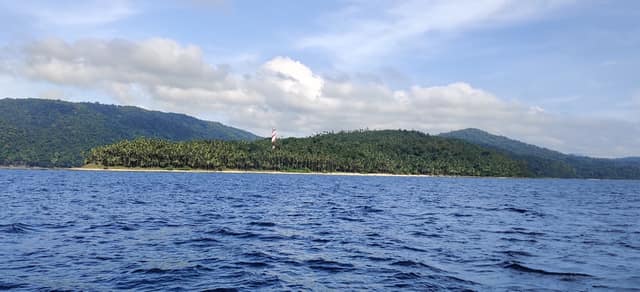
North Bay Island
Sea-walking photos · shallow
Shallow water over coral, with sea walking for ocean-floor shots and glass-bottom boats for dry angles.
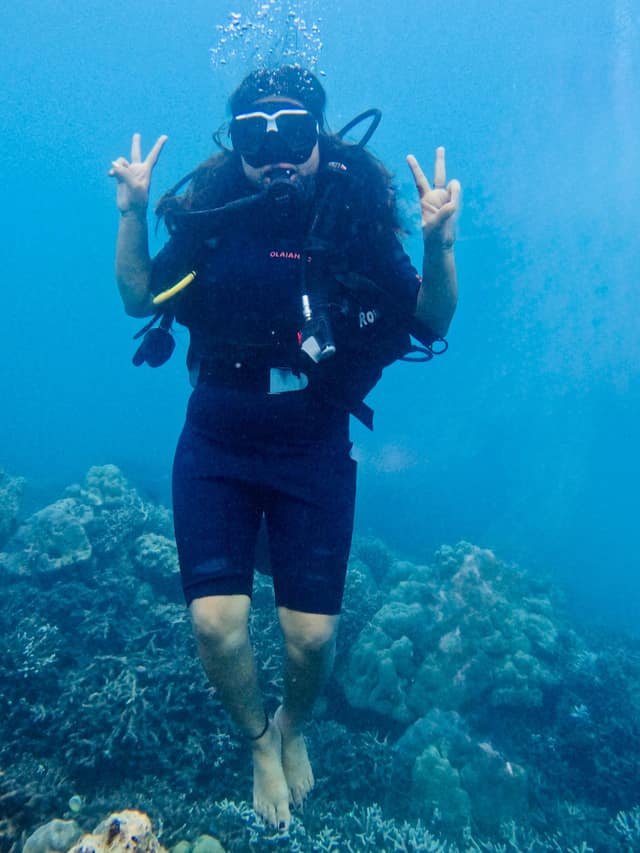
Havelock dive sites
With a dive centre
Dive centres can add photos or video to a dive. Ask what is included and what it costs when you book — we check which centres are running for your dates.
Jolly Buoy Island
Marine national park reef
A reef inside the marine national park off Wandoor. It is open only part of the year, in rotation with Red Skin Island, so check which island is open before you plan a shoot around it.
The unusual ones
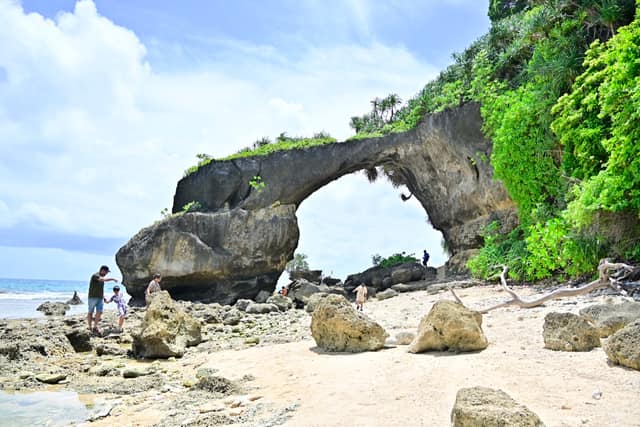
Natural Bridge, Neil Island
A rock arch at Laxmanpur Beach 2. Low tide is essential — for the shot and for safe access across the coral shelf.
Tip: Shoot from below to give the arch scale against the sky.
Ross Island ruins
A colonial church and administration buildings being slowly taken over by banyan roots — moody, cinematic, faintly unreal.
Tip: Boats run by day only — our Port Blair guide has the hours. Take an early boat for softer light.
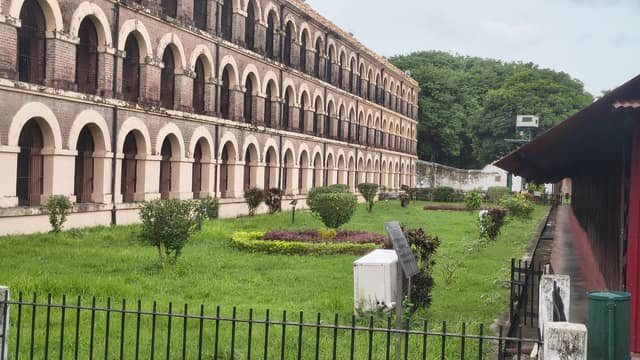
Cellular Jail, Port Blair
The radial prison wings give strong geometry and heavy storytelling weight — a different kind of photograph from everything else here.
Tip: Check the photography rules at the ticket counter before shooting inside the cells, and never use flash there.
Manipur Parvat National Park (Mount Harriet)
The forested hill across the harbour from Port Blair, with wide views over the sea. It is a national park, open 7 AM to 5 PM with a Forest Department entry permit — so it is a daytime viewpoint: you cannot be there for sunrise, and for most of the year the gate closes before sunset.
Tip: Bring the wide-angle for the panorama.
Bioluminescence: watch it, don't plan to shoot it
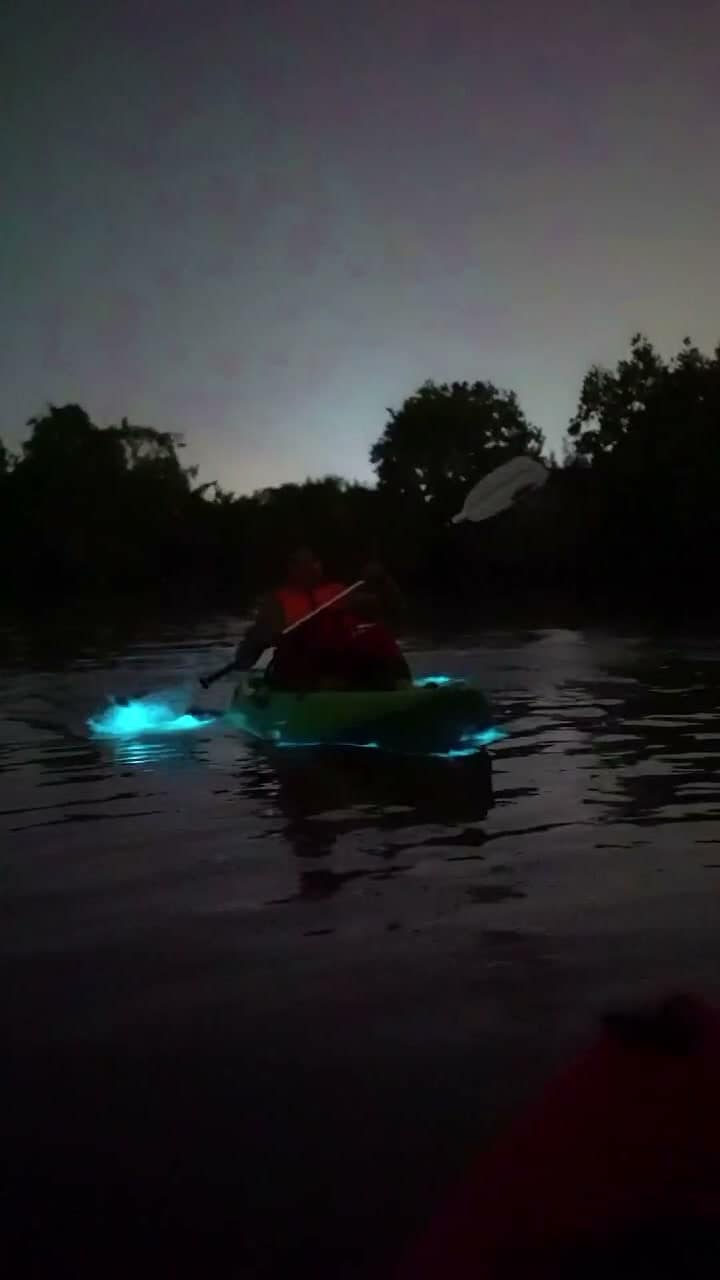
The glowing plankton at Havelock is seen on a guided night-kayak trip, and photos and videos are not allowed from the kayak — a phone barely registers the glow anyway. The trip runs every night in season, roughly October to May, and the glow is easiest to see on mornings with no moon in the sky — the twelve to fourteen that follow each new moon. The frame here is from footage our own team filmed. The moon calendar and the full run of the night are in our bioluminescence guide.
Drones: what the rules actually say
India's Drone Rules, 2021 apply in the Andamans as everywhere else, and the islands add restrictions of their own.
- Register first. No drone may be flown without being registered and carrying its unique identification number, unless the rules exempt it. Registration is now done on the DGCA's eGCA portal — it moved there from Digital Sky, which keeps the airspace map and flight plans.
- Know your class. A drone of 250 grams or less is a nano drone; 250 grams to 2 kilograms is a micro drone. Neither needs a remote pilot certificate for non-commercial flying.
- Check the airspace map. Green zones need no permission, yellow zones need air-traffic-control permission, and red zones need the central government's. The yellow zone reaches 12 km from an airport's perimeter, and the only no-permission layer inside it lies between 8 and 12 km out, below 60 metres.
- Treat Port Blair as permission-only. The airport is about 2 km from Corbyn's Cove and about 4 km from Cellular Jail and Marina Park in a straight line.
- Radhanagar needs a permit. The tourism portal says drone use at the beach requires official permits from local authorities.
- Parks and reserves. Photography in national parks and sanctuaries needs a permit from the Chief Wildlife Warden, and the A&N Police tell visitors not to photograph or film inside tribal reserve areas at all.
- Expect temporary bans. The district administration banned all drones around the Vice President's visit on 8–9 August 2026.
Penalties under the rules run up to one lakh rupees. We don't arrange drone permits — check the Digital Sky map and ask the authority for the place you want to fly before you pack the drone.
Tips that save trips
- 1The light comes early: sunrise is between about 4:54 and 5:43 AM and sunset between about 4:50 and 5:47 PM, depending on the month.
- 2Waterproof everything. Salt spray and humidity are hard on gear even if you never swim.
- 3Pack a polarising filter — it cuts water glare and deepens the blues that brought you here.
- 4For underwater, a housed action camera is the sane starting point.
- 5Drones are not a carry-and-fly item here: register on eGCA, check the Digital Sky airspace map, and assume Port Blair needs permission.
- 6A mini tripod earns its space for the low light either side of sunrise and sunset.
- 7Back up photos every evening.
- 8January to April are the driest months — about 26 to 28 dry days in every 30 at the Port Blair gauge — with December next at about 21. October and November still see frequent showers.
Gear worth bringing
Camera
A mirrorless or DSLR gives the most control, but a recent smartphone genuinely covers most of these spots well. Bring what you'll actually carry.
Lenses
Wide-angle (16–35mm) for beaches and panoramas, a 50mm prime for portraits against the water, and a macro if coral detail interests you.
Underwater
An action camera in a housing is the popular choice. Ask your dive centre what camera options it offers.
Accessories
Polariser, mini tripod, dry bag for boat transfers, spare batteries and a microfibre cloth for constant salt-spray wiping.
“They also provided complimentary photography, which made the trip even more memorable.”
— Tharani, May 2026, 5★ Google review
Photography questions we get asked
What is the best spot for sunset photos in Andaman?
Radhanagar Beach on Havelock — a wide beach and palm silhouettes against the evening sky. Be there an hour before sunset: in the October–May season the sun sets between about 4:50 and 5:35 PM, and the beach is open to visitors only until sunset. On the Port Blair side the sunset point is Chidiya Tapu; on Neil it is Laxmanpur Beach 1.
Which Andaman beaches face the sunrise, and which the sunset?
Facing the sunset: Radhanagar on Havelock, Laxmanpur Beach 1 on Neil and Chidiya Tapu on South Andaman. Facing the sunrise: Kalapathar and Vijaynagar on Havelock, Sitapur on Neil, and Corbyn's Cove and the Marina Park waterfront in Port Blair. We checked each one against the mapped coastline.
Can I do underwater photography without diving?
Yes. Snorkelling at Elephant Beach or North Bay with any waterproof action camera works well, and sea walking at North Bay gets you ocean-floor shots without swimming at all. For deeper water, Havelock dive centres can add photos or video to a dive — ask what is included when you book.
Are drones allowed in Andaman?
Only within India's Drone Rules, 2021 and the local restrictions. The drone must be registered — on the DGCA's eGCA portal, since registration moved there from Digital Sky. Then check the place you want to fly on the Digital Sky airspace map: a green zone needs no permission, a yellow zone needs air-traffic-control permission, and a red zone needs the central government's. Port Blair's airport is about 2 km from Corbyn's Cove and 4 km from Cellular Jail, so do not assume anywhere in town is a green zone. The tourism portal says drones at Radhanagar Beach need official permits; national parks and sanctuaries need a Forest Department permit for photography; and the A&N Police tell visitors not to photograph or film inside tribal reserve areas at all. The district administration also bans drones around VIP visits, as it did on 8–9 August 2026. Penalties under the rules run up to one lakh rupees.
What is the best camera for an Andaman trip?
For most travellers, a good smartphone is honestly enough. Enthusiasts do best with a mirrorless body and a wide-angle lens; for underwater, a housed action camera is the standard. Whatever you bring, protect it from salt spray and humidity.
When is the best time for photography in Andaman?
January to April for clear skies: the Port Blair gauge averages about 26 to 28 dry days in every 30 in those months, about 21 in December and about 16 in November. October still sees frequent showers, and the monsoon months, roughly June to September, are the hardest — overcast skies, rough seas and about 9 or 10 dry days in 30. These are historical averages, not a forecast for your dates.
How do you photograph bioluminescence in Andaman?
On the guided kayak trip at Havelock, you don't: photos and videos are not allowed from the kayak, and a phone camera barely registers the glow. The trip runs every night in season, roughly October to May, and the glow is easiest to see on mornings with no moon in the sky — the twelve to fourteen that follow each new moon. Our bioluminescence guide lists them and has footage our own team filmed.
How this page stays true
Ported from our long-running photography guide and re-checked on 4 October 2026: which way each beach faces against OpenStreetMap's coastline, sunrise and sunset times against US Naval Observatory data, drone rules against the Drone Rules, 2021 and the local notices we could find, park and boat hours against our Port Blair guide, and the bioluminescence notes against our own trip page. The photos are from our own photo library, taken in the islands; the Kalapathar frame was sent to us in February 2025 and we have no record of who took it. We removed dive-package prices, camera settings for a subject you cannot photograph on the trip, and superlatives we could not source.
Build the trip around the light.
Tell us your dates and we'll sequence the islands so you're facing the sunset in the evening and the sunrise at dawn — and if you want a couple photoshoot, ask for it as a separate item on a honeymoon package; we confirm the setup and location before you book.